
Integrative Health – A Comprehensive Approach to Holistic Care
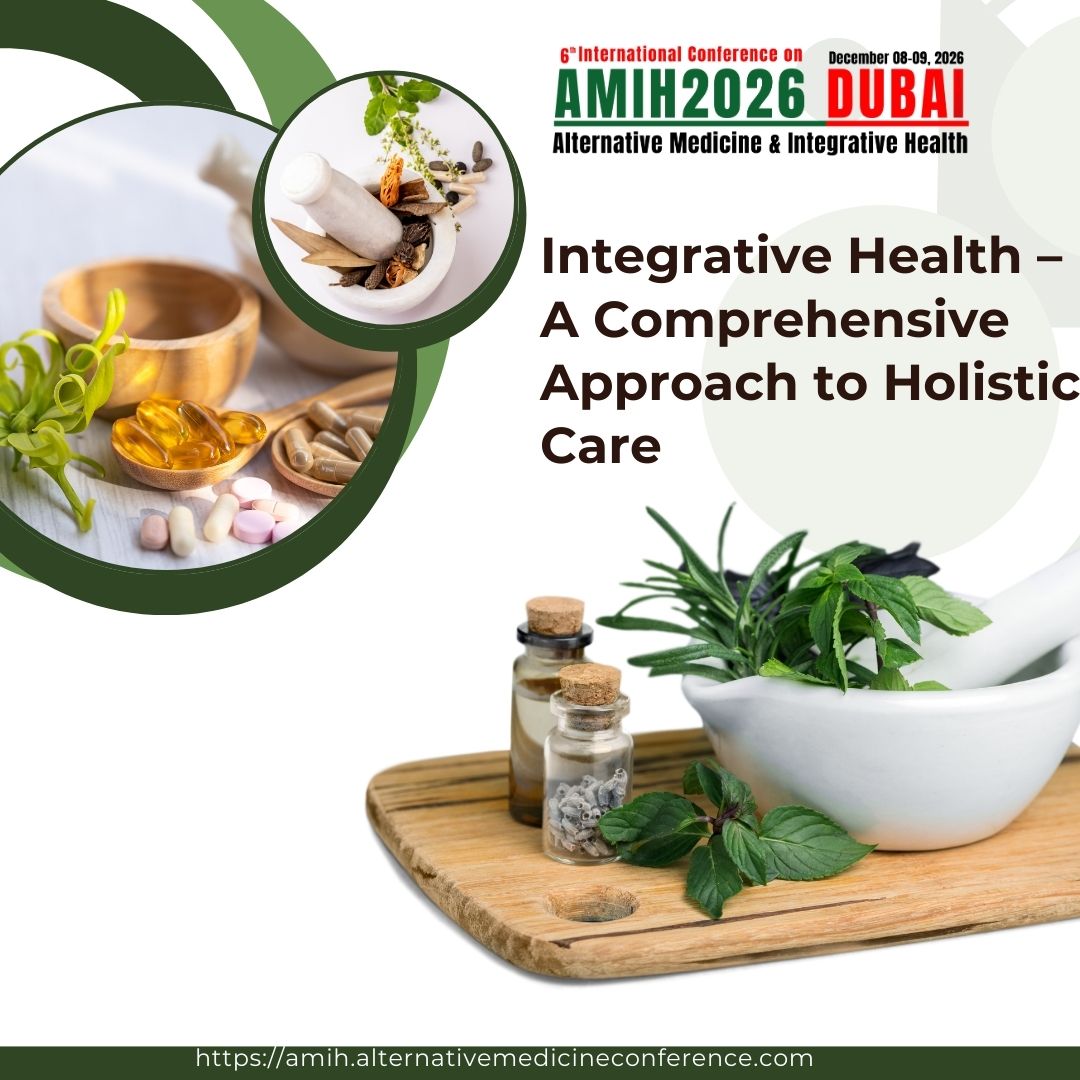
In recent years, the term integrative health has become one of the most searched and discussed topics in the wellness and medical communities — and for good reason. While conventional medicine focuses primarily on diagnosing and treating symptoms, integrative health emphasizes whole-person care by combining the best of conventional medicine with evidence-based complementary therapies.
What Does Integrative Health Mean?
Integrative health is a patient-centered approach that considers physical, emotional, social, and environmental influences on wellbeing. It seeks to treat the root causes of illness instead of merely suppressing symptoms.
Rather than seeing complementary therapies and conventional medicine as separate, integrative health blends them in a coordinated way. This means that an individual with chronic pain might receive physical therapy, mindfulness training, nutritional guidance, and medication — all working together.
Core Principles of Integrative Health
- Focus on the whole person
- Evidence-informed therapeutic options
- Partnership between patient and practitioner
- Prevention and lifestyle modification
- Use of natural, less invasive therapies when appropriate
Popular Therapies Included
• Mind–Body practices (yoga, meditation)
• Traditional medical systems (Ayurveda, TCM)
• Nutritional therapy
• Manual therapies (chiropractic, osteopathy)
• Energy therapies (acupuncture)
Why It Matters Today
With rising chronic disease rates and growing interest in wellness, integrative health offers a sustainable, person-focused model that emphasizes prevention, lifestyle changes, and long-term health. It empowers individuals to take an active role in their health — and that makes it a major trend in global healthcare.
Keywords: integrative health, holistic health, alternative medicine, mind-body medicine, preventive healthcare, lifestyle medicine, complementary therapies
